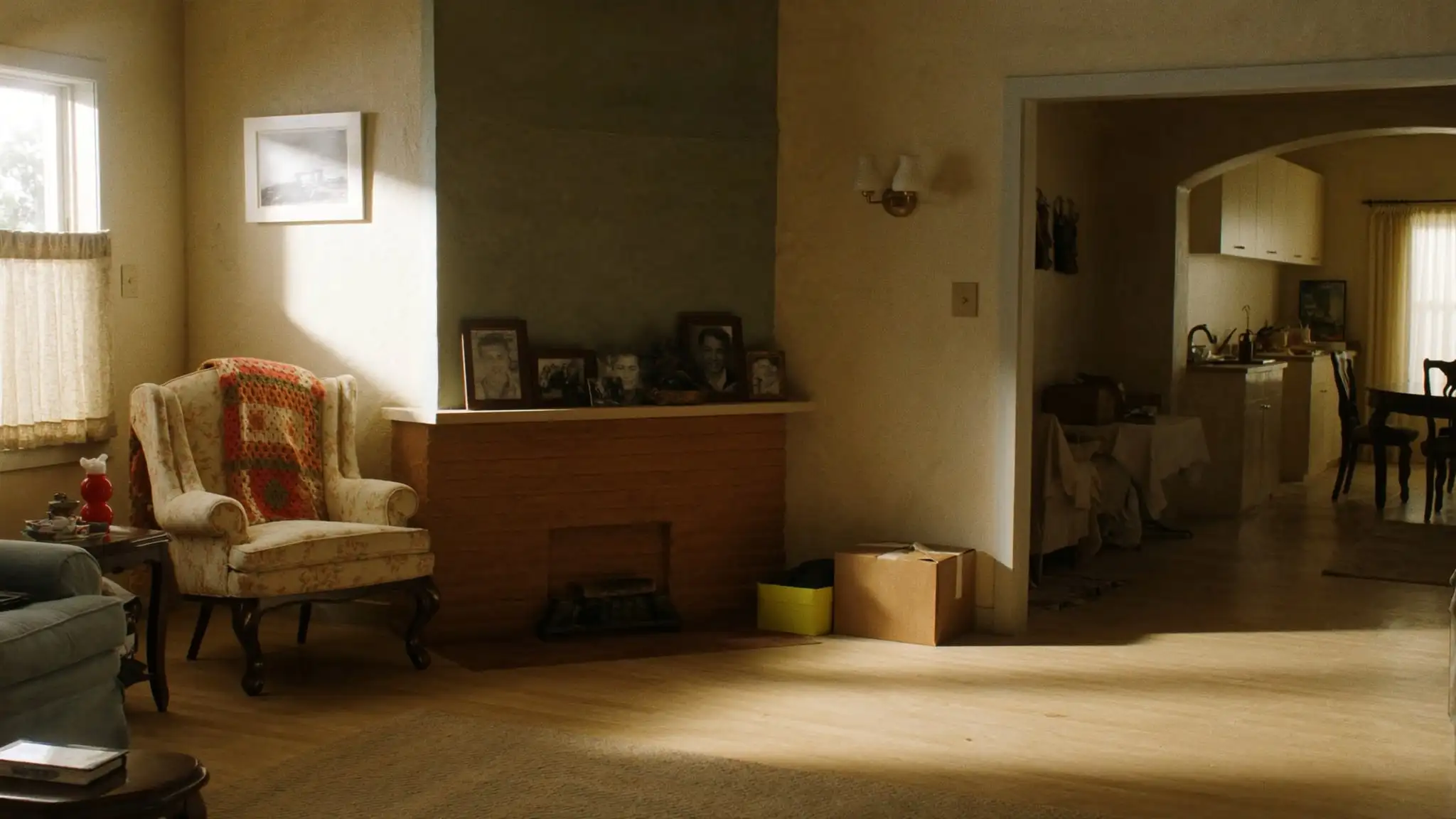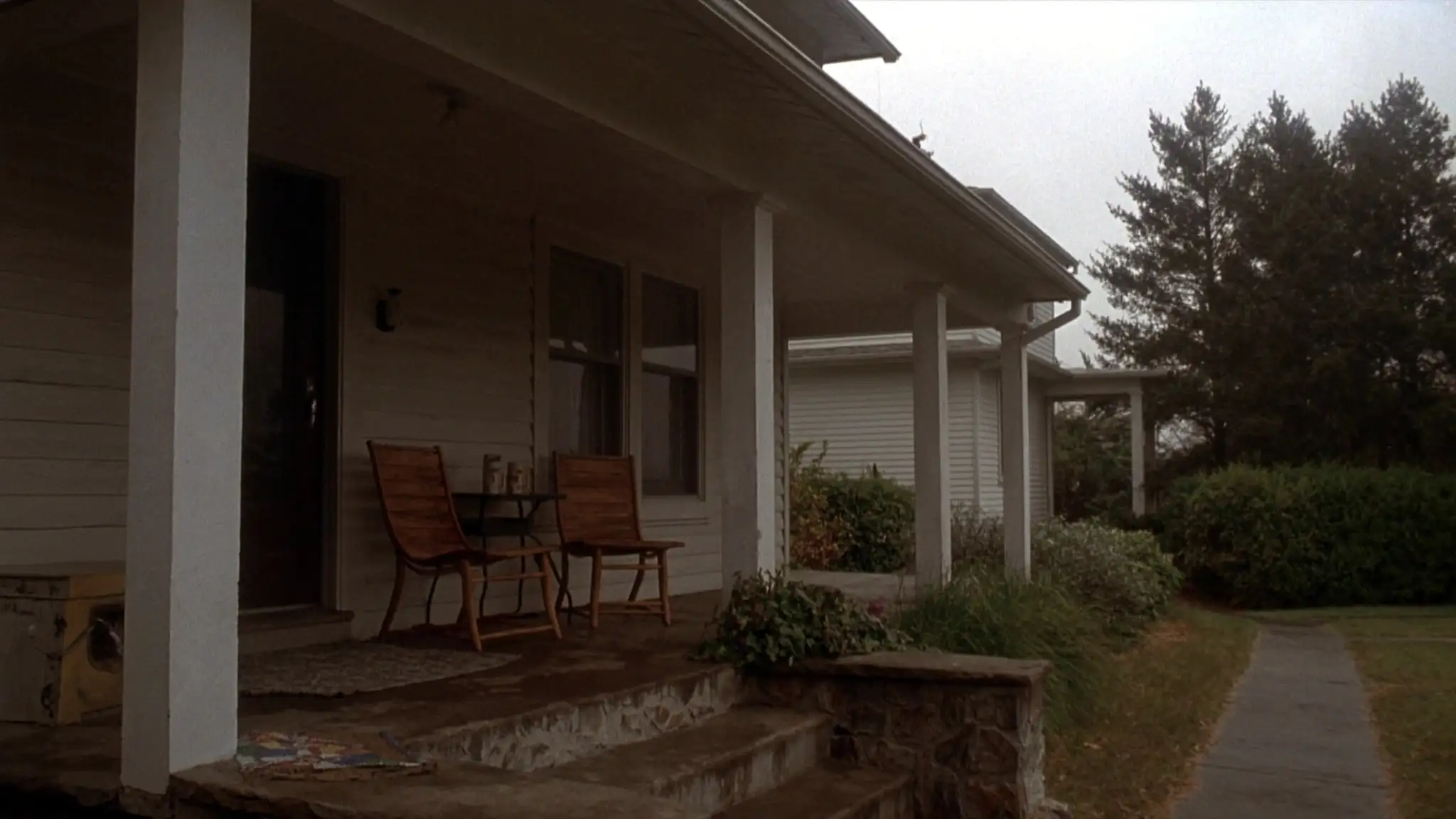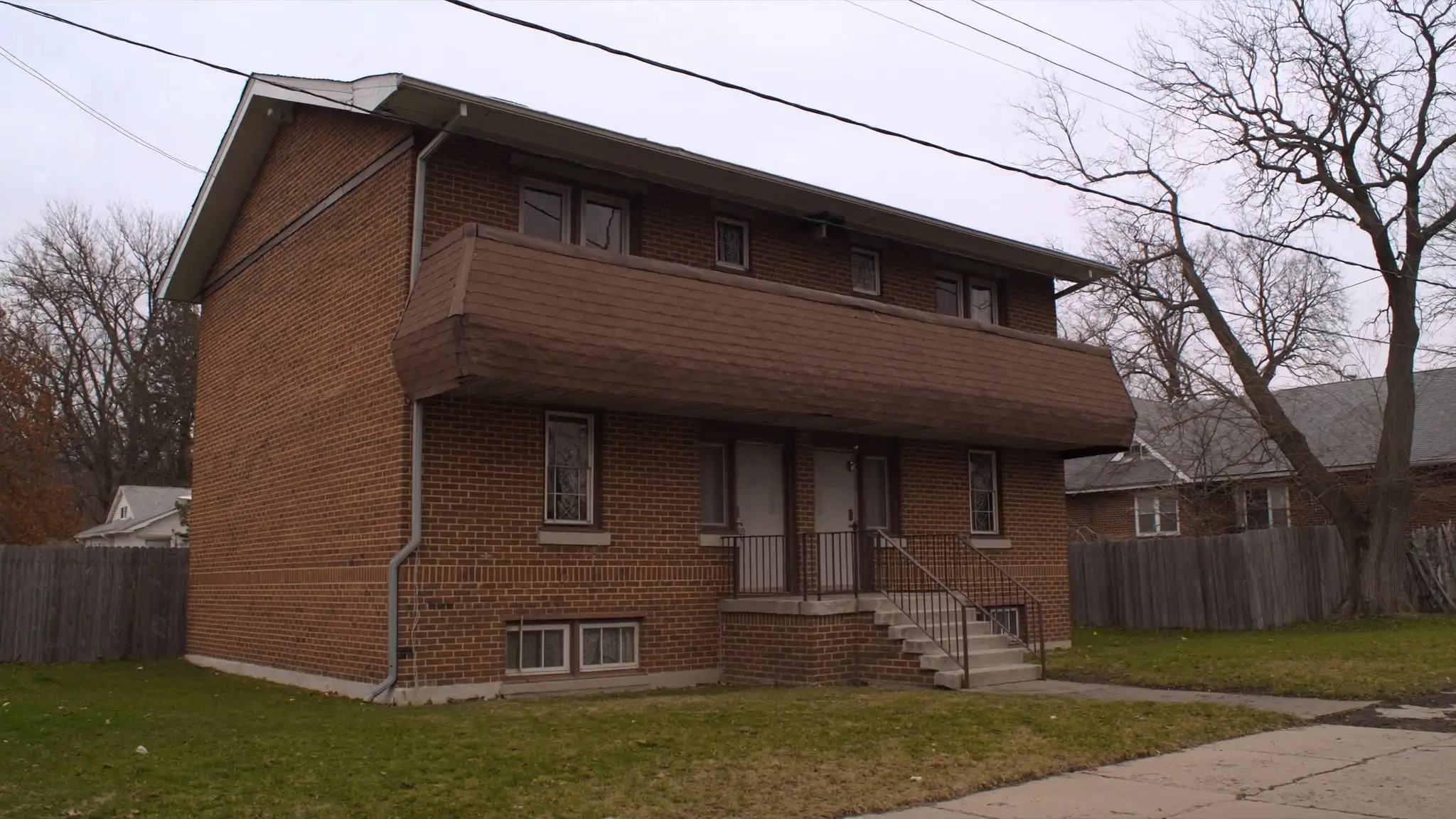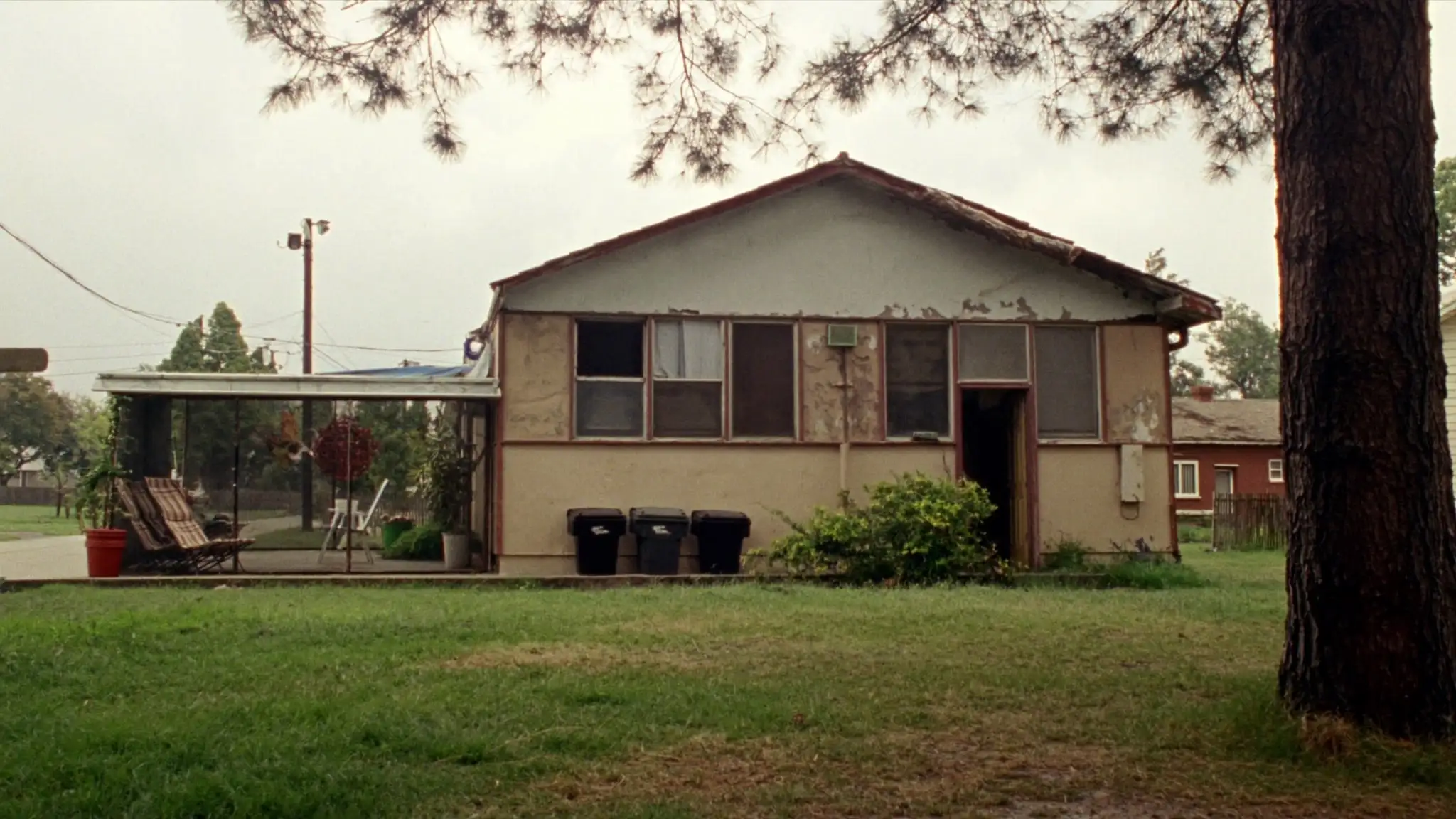
We buy houses in Lowell, IN for cash and as-is. But “Lowell” covers two very different kinds of homes. There are houses in town on public water and sewer, and there are country homes in the surrounding townships, often on acreage with a well, a septic system and a barn or two. The best way to sell depends a lot on which one you have.
In town or out in the township?
In town
Lowell was platted in 1853 and incorporated in 1868. The heart of its downtown, along Commercial Avenue, has been on the National Register of Historic Places since 2003 as the Lowell Commercial Historic District. Schools are part of the Tri-Creek School Corporation.
In-town homes range from older houses near downtown to new subdivisions like Spring Run, Farmington Meadows and Stone Mill, where builders are still finishing homes. The town’s water system has belonged to Indiana American Water since state regulators approved the sale in December 2021.
All that new construction matters if you’re selling an older in-town house. Buyers can compare yours to a brand-new home with a warranty. If your house is updated, list it. If it isn’t, a cash offer is worth comparing.
Out in the country
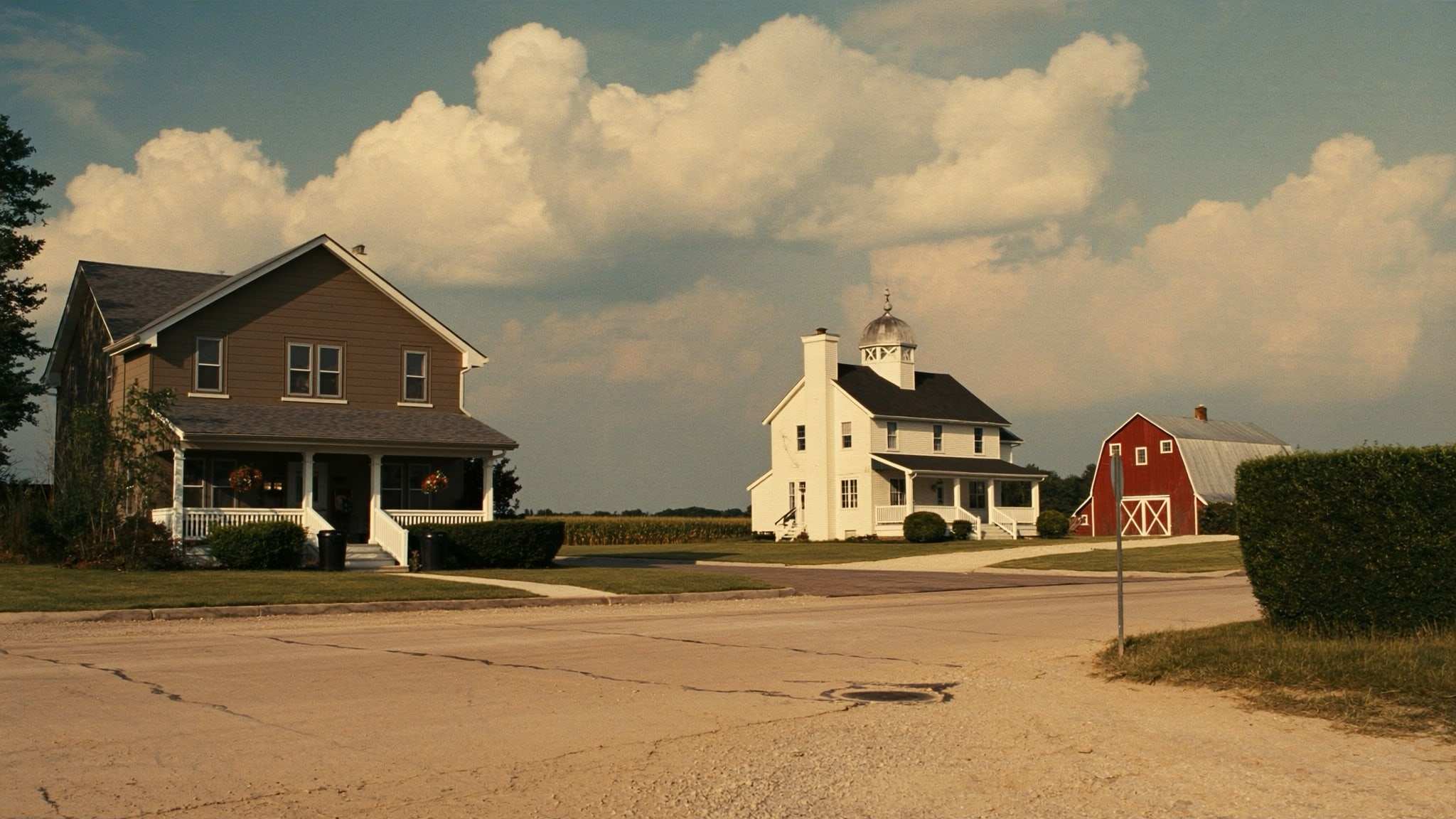
Outside town limits, the 46356 ZIP code reaches into West Creek and Cedar Creek townships. You’ll find farm fields, wooded lots, ponds, and homes on several acres. Often they have a private well, a septic tank, and outbuildings like pole barns. Housing ranges from 1970s bi-levels and ranches to custom homes built since the 1990s.
Country homes can sell well. They also come with more things that can go wrong in a financed sale. A failed septic system, a bad well or a barn in poor shape can stall a buyer whose lender wants everything in working order.
What rural sellers should gather
Whether you list or sell to us, these make the process smoother:
- Well: where it is, its age if known, and any past water tests.
- Septic: where the tank is, when it was last pumped, and any permit papers. Permit records may be on file with the Lake County Health Department’s Environmental Health Division.
- Outbuildings: what’s out there, what condition it’s in, and what’s being left behind.
- Drains and easements: the county Surveyor’s office manages roughly 600 miles of legal drains with the county Drainage Board. If one crosses your land, Indiana law gives the surveyor and the board a right of entry within 75 feet of it. Buyers will want to know.
- Boundaries: an old survey, if you have one. Fence lines on acreage don’t always match the legal description.
Thinking about selling the house and keeping some land?
Some owners want to sell the house with a few acres and keep the back field, or sell it separately. That can work, but it isn’t automatic. In unincorporated areas, the county Surveyor’s office reviews subdivision proposals for compliance with county rules, and a new survey is usually part of any split. Talk to a surveyor and an Indiana real estate attorney before you promise a split to any buyer, including us.
Lake Dalecarlia and Cedar Creek
Lake Dalecarlia, a private lake community north of town, is a reservoir on Cedar Creek created in the late 1920s. According to the Lowell Public Library’s local history, it started as summer cottage country, and more families made it their year-round home over the years. If you’re selling an older lake home there, expect buyers to ask what was added on, and when.
Water is the other local question. Lake County’s 2010 hazard mitigation plan noted that Lowell had major flooding from Cedar Creek in 2008, much of it caused by the Lake Dalecarlia dam overtopping. If your house is near the creek, check FEMA’s flood map and be ready to disclose any past water. Our post on selling a house as-is in Indiana covers what that involves.
We buy houses in Lowell, IN, but listing sometimes wins
List with an agent if your home is newer or updated, your well and septic work, and you have time. Good country properties have their own set of buyers, and a local agent who knows acreage can find them.
Consider a cash sale if:
- You’ve inherited a house on acreage, with buildings full of a lifetime of equipment. See inherited houses.
- The septic has failed, the well is bad, or the house needs work you can’t take on. See houses that need repairs.
- A parent is moving to town or into care and can’t keep up the property. See downsizing.
- You’ve fallen behind on property taxes and need a clean, fast sale. See behind on property taxes.
Selling near Lowell’s neighbors instead? See our Cedar Lake and Crown Point pages.