
We buy houses in Dyer, IN for cash, in any condition. But we’re not the right fit for every Dyer seller. A lot depends on the house, your timing, and how much work you can take on.
Here are three made-up Dyer sellers and the honest answer for each. Your situation may look like one of them.
We buy houses in Dyer, IN: three sellers, three answers
The updated two-story with time to spare
Say you own a well-kept 1990s two-story. The roof is newer, the kitchen was redone, and you’d like to move sometime in the next six months.
Our advice: list it. A house like that draws buyers who will pay full market price, and you have the time to wait for them. Our offer would come in below that. Interview two or three agents, and use our cash buyer vs. agent page to compare what each path costs you.
The 1950s ranch off US 30 that needs everything
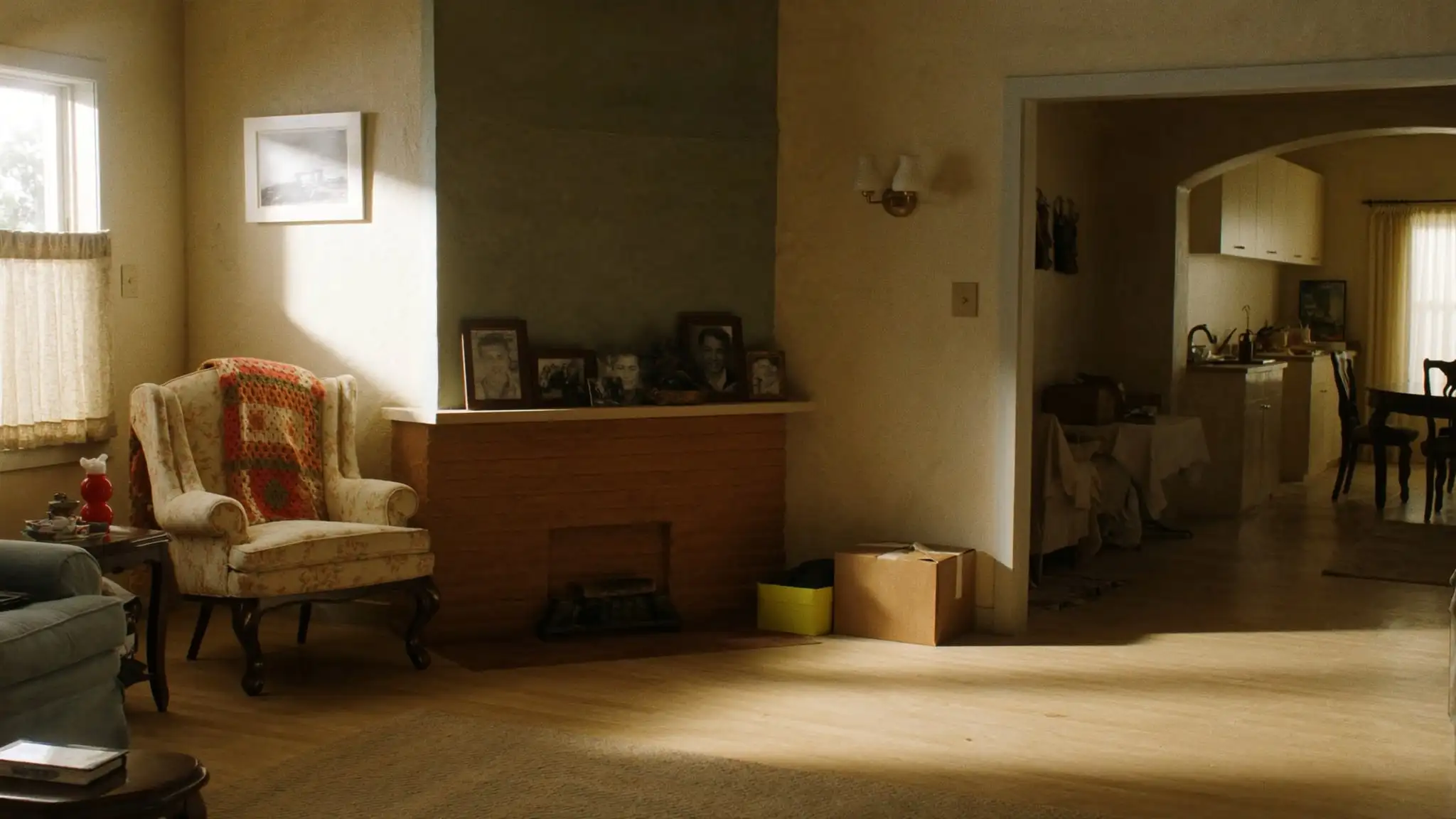
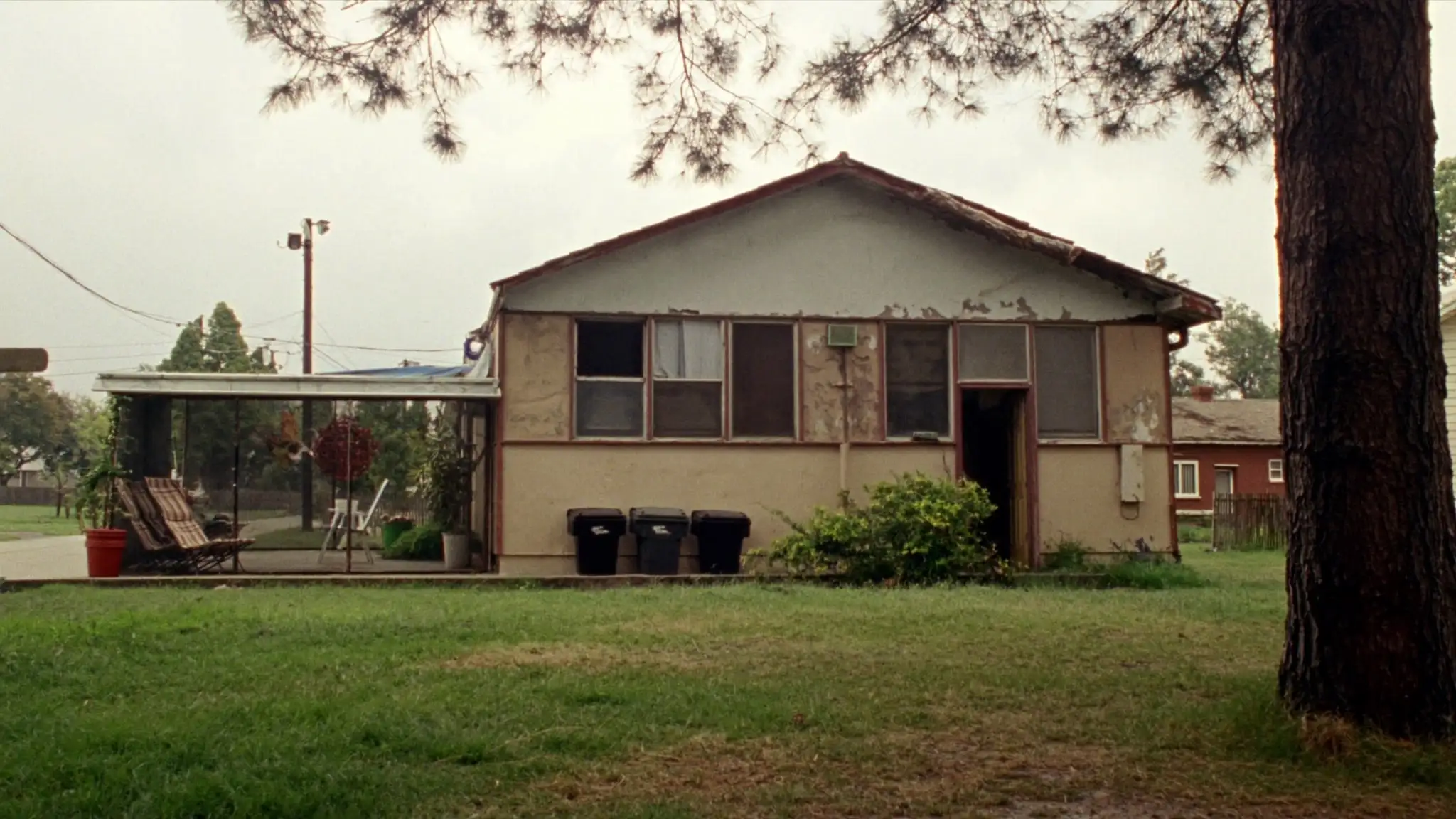
Say your late father’s ranch near Joliet Street (US 30) was built in the late 1950s. The bathroom is original, the basement smells musty, and the furnace is old. You and your siblings live in Illinois and Wisconsin, and nobody can be in Dyer every weekend.
Our advice: get a cash offer and compare. Fixing it up from out of state means managing contractors from a distance and paying taxes, insurance and utilities the whole time. We’d buy it as-is, belongings and all. Whoever has legal authority signs, whether that’s the heirs or the estate’s personal representative, and the title company pays out the proceeds at closing. Our inherited house page explains the probate side.
The townhome you’ve been renting out
Say you moved out of a Parkview Terrace or Briarwood Village townhome years ago and kept it as a rental. Now the tenant is behind, the carpet is shot, and you’re done being a landlord.
Our advice: it could go either way. If the tenant leaves and you can afford a few months of repairs, listing may net more. If you want out now, we can buy it with the tenant still there. Read selling a house with tenants in Indiana and our tired landlord page first.
Dyer’s housing at a glance
Dyer was platted in 1855 and incorporated in 1910. It’s part of the Lake Central School Corporation, with Kahler Middle School and Protsman and Bibich elementary schools in town. Its housing is a mix of eras:
- Late-1950s and 1960s ranches near US 30, in additions like Suburban Terrace. Typical issues: original wiring and plumbing, older sewer lines, basement moisture.
- Townhomes and condos, including Parkview Terrace, Briarwood Village and Rockwell. Association rules and dues shape any sale.
- Briar Ridge, the gated golf community Dyer shares with Schererville.
- Newer construction in subdivisions like Meadow Brooke and Highpoint Prairie. These rarely need a cash buyer.
US 30 has history, too. A state historical marker on Joliet Street honors the Lincoln Highway’s “Ideal Section,” a 1.5-mile model road finished in 1923. The Dyer and Schererville historical societies helped put the marker up.
Hart Ditch, Dyer Ditch and flood questions
In some parts of Dyer, flooding is a real local concern. Lake County’s 2010 hazard mitigation plan, drawing on Dyer’s own 2007 plan, described localized flooding along both Dyer Ditch and Hart Ditch. It noted frequent problems in the southwest part of town, where Plum Creek crosses the state line from Illinois and becomes Hart Ditch.
If your house is in one of those areas:
- Look up your address on FEMA’s Flood Map Service Center.
- Gather any records of past water, cleanup, sump pumps or waterproofing. If a waterproofing company gave you a transferable warranty, find it. That’s worth mentioning to any buyer.
- Answer the state disclosure form honestly. Our post on selling a house as-is in Indiana covers seller disclosures.
A financed buyer may need flood insurance if the house is in a mapped high-risk zone. That can shrink the pool of buyers or the price they’ll offer. A cash buyer doesn’t have a lender to satisfy.
Selling from the other side of the state line
Dyer borders Lynwood and Sauk Village in Illinois. Some owners move a few miles west and keep the Dyer house for a while. That works until it doesn’t. An empty house still needs heat, insurance and someone checking on it.
If you’ve already relocated, much of a direct sale can happen by phone, text and mail. The closing is handled by a local title company. For nearby options, see our Munster and St. John pages.