We buy houses in Highland, IN for cash and in any condition. Penguin Capital is a local company in Whiting, a short drive up Indianapolis Boulevard. We make a written offer, you skip the repairs and the showings, and you choose the day you close.
Highland is a town of homeowners, and its population is getting older. If you’re a longtime owner ready to move on, or you’re settling a parent’s house, this page is written with you in mind.
A built-out town of postwar homes
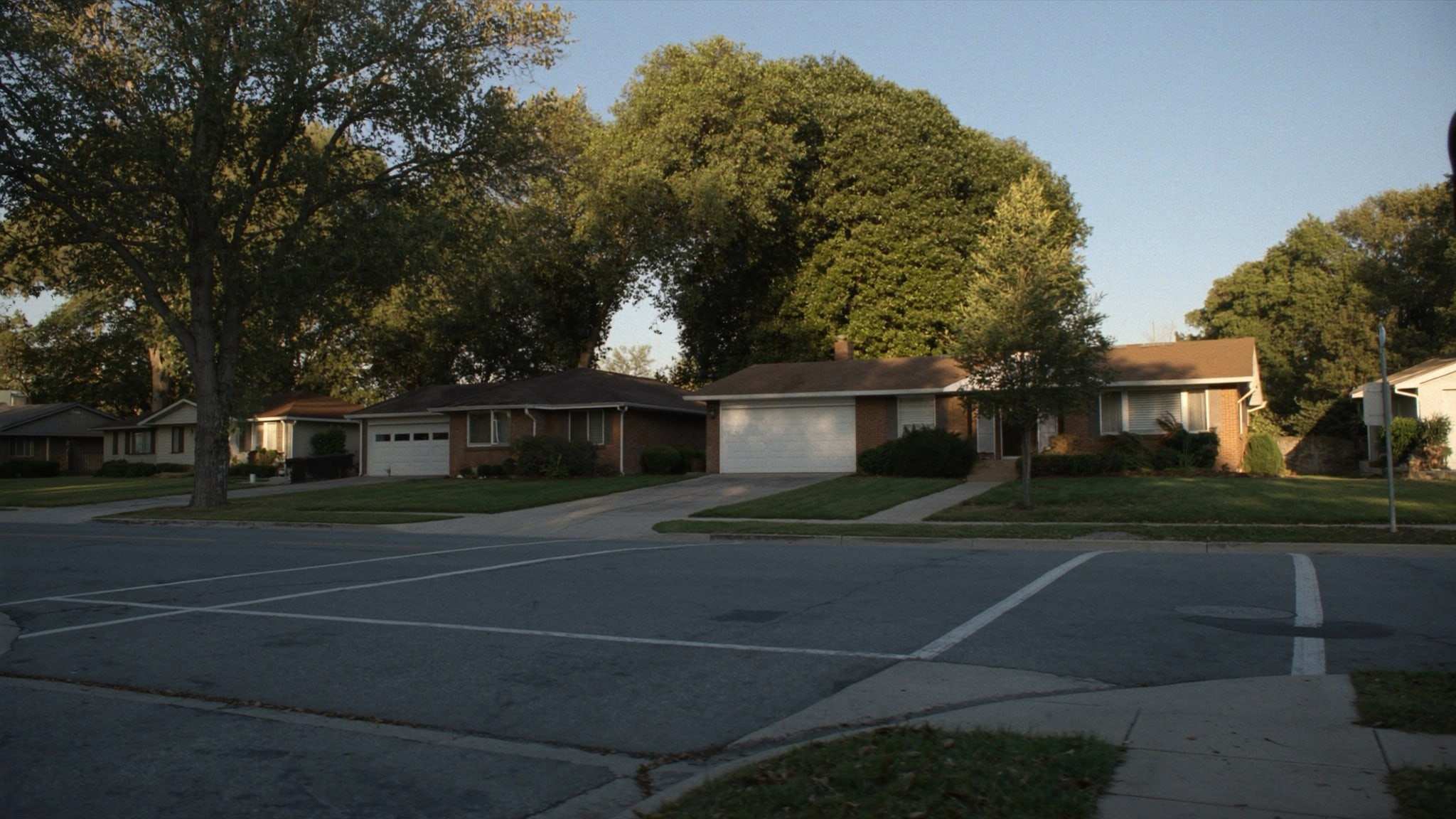
Highland boomed after World War II. Its population grew several times over in the 1950s and 1960s. The town’s 2026 draft comprehensive plan says much of Highland was built during those postwar decades. It also notes the town is fully built out, with no land left to annex. From 2000 to 2020, Highland added only 1,209 housing units.
The plan says about 72% of Highland’s homes are single-family detached houses, and about 78% are owner-occupied. Subdivision names you’ll hear around town include Wicker Park Manor, Golfmoor and Highland Terrace Estates.
What that means for a seller:
- Many houses are 50 to 75 years old. Even well-kept ones may still have original windows, plumbing or electrical panels.
- The sewers are old too. According to the plan, the town’s oldest sewer lines are on the north and northeast sides, with newer pipe in the southwest.
- Buyers have few new options. Since so little new housing gets built, updated older homes are what most Highland buyers end up choosing between.
Flood maps, the levee and basement water
Water is a big topic for Highland houses, so it’s worth getting the facts straight. Even the town’s name has to do with water: the town’s history page explains that the area was called “the Highlands” because of a sandy ridge rising above the surrounding marsh. Ridge Road runs along that higher ground today. Much of the rest of town sits lower.
The Little Calumet River forms Highland’s northern border with Hammond. Cady Marsh Ditch runs east to west through the middle of town, and Hart Ditch is nearby. The draft comprehensive plan says the 1% annual chance floodplain follows all three, and that shallow-flooding zones exist in a smaller area to the north near the river and within Wicker Park.
Highland has flooded badly before. During the September 2008 flood, the U.S. Geological Survey collected high-water marks in Highland along the Little Calumet. Since then, the Army Corps of Engineers finished its Little Calumet River flood control project. When the Corps marked the project’s completion in 2024, it described about 22 miles of levees and floodwalls protecting Gary, Griffith, Hammond, Highland and Munster against a 200-year flood.
Basement water is a separate issue from river flooding. The draft plan reports that the first phase of a federally required sanitary sewer project, a large relief sewer, has resolved long-standing basement flooding problems. A second phase is on hold.
We buy houses in Highland, IN with flood or basement history
If your house has had water in it, you have three practical steps before selling to anyone:
- Look up your address on FEMA’s Flood Map Service Center. Maps follow exact lot lines, not neighborhoods.
- Gather your flood insurance history, repair receipts and any sump pump or backflow work.
- Be upfront. Our post on selling a house as-is in Indiana explains how disclosures work.
A house with a water history can still sell well on the open market, especially if the problem was fixed. Where we come in is when the history makes buyers’ lenders or inspectors nervous, or when there’s damage you don’t want to repair. Our house needs repairs page explains how we price that.
Longtime owners and the downsizing question
The draft plan describes an aging population, with a median age of 42.8, and a housing stock that doesn’t offer much for seniors who want something smaller. Residents told planners they want more senior, condo and smaller-home options in town.
Until that changes, downsizing can mean leaving Highland. Say you’ve owned a three-bedroom ranch since the 1970s and want a condo near your kids. You could update the kitchen and bath and list it, or sell it as it is and skip the project. Both are reasonable; it comes down to your time, energy and budget. If that’s you, our downsizing page walks through your choices. If you’re handling a parent’s house after they’ve passed, start with inherited houses and probate.
Before you sign with any cash buyer, us included, read how to spot a legit cash home buyer.
When listing makes more sense
The draft plan lists Highland’s median home value below Munster’s, Schererville’s and Dyer’s. Relative affordability plus very little new construction tends to mean steady interest in solid, updated homes. If yours fits that description and you have a few months, list it with an agent. Our cash buyer vs. agent page lays out the trade-offs.
If your house needs work, has water history, or you just want a simple sale on your own timeline, we’ll make an offer based on condition, repairs, recent nearby sales and our costs. It will be below full retail, and it’s yours to take or leave.